Indigenous Languages Day and the strength of the Ktunaxa ʔa·kⱡukaqwum
March 31 is National Indigenous Languages Day.
Visit the Traditional Knowledge and Language page for more language news.
Our language, Ktunaxa ʔa·kⱡukaqwum, is ancient and a language isolate, unrelated to any other in the world. ʔa·kⱡukaqwum is integral to our identity—we are the Ktunaxa ʔaqⱡsmaknik̓.
A language unlike any other
Ktunaxa is a language isolate; it has no known relationship to any other language in the world.
This places it among a very small number of languages globally, and while there are over 70 distinct Indigenous languages spoken in Canada, only three are language isolates (Ktunaxa, Haida and Inuit Sign Language) and recognized as not being related to other language families.
Ktunaxa place names, stories and songs passed down from untold generations are a rich cultural heritage written across our homeland.
For the Ktunaxa people, whose presence in ɁamakɁis Ktunaxa spans over 10,000 years, language is inseparable from land, story, and belonging.
Resilience despite colonial disruption
Like many Indigenous languages across territories now known as Canada, the Ktunaxa ʔa·kⱡukaqwum faced significant disruption. Colonial policies including the residential school system, forced assimilation, and the suppression of cultural practices interrupted the natural transmission of language between generations.
The result was a decline in fluent speakers and an urgent need for revitalization. Without sustained and community-driven action, the language faces ongoing risk.
Yet, the story of Ktunaxa today is one of resurgence.
Revitalization through Traditional Knowledge
Working alongside language speakers from each Ktunaxa First Nation and Kootenai Tribe (ʔakisq̓nuk, ʔaq̓am, Yaqan Nuʔkiy, Yaq̓it ʔa·knuqⱡiʔit, Kootenai Tribe of Idaho, and the Ksanka Band of the Confederated Salish and Kootenai Tribes), the Ktunaxa Nation Council’s Traditional Knowledge and Language Sector is supporting meaningful efforts to ensure the language not only survives, but thrives.
This work includes:
-
Community-based language classes (online & in-person) and immersion opportunities through transcription of Ktunaxa recordings.
-
Supporting fluent speakers and nurturing new learners with curriculum programming.
-
Integrating language into everyday life, such as the team of ʔa·knusti land guardians who breathe life into traditional practices and use the language on the land.
-
Rebuilding confidence and pride in speaking Ktunaxa through community events, game nights and the unique celebration of Ktunaxa Literacy Day on October 24 every year.
These approaches recognize that language revitalization is not just about vocabulary, it’s about restoring relationships between generations, people and land, and knowledge systems.
We know that revitalization requires sustained investment, coordinated programming, and community commitment.
Local strength; international inspiration
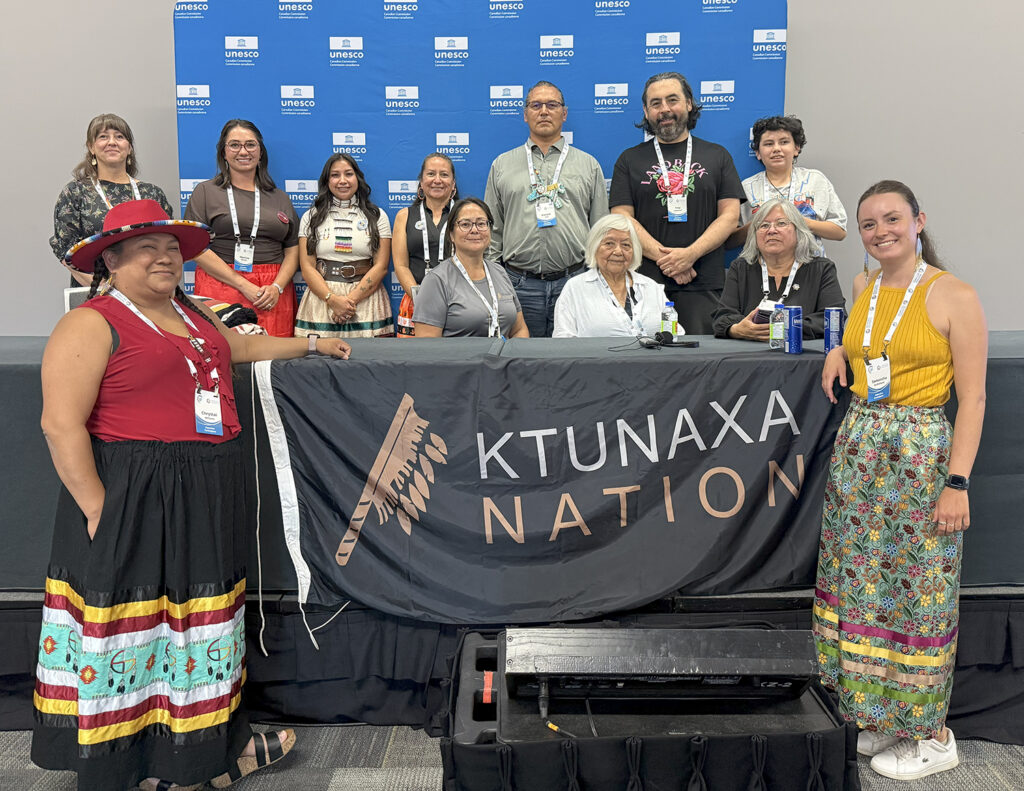
As the community of Ktunaxa ʔa·kⱡukaqwum champions continues to grow locally, they are also inspiring globally, as the language is features in the name of the Indigenous Languages Working Group of the Canadian Commission for UNESCO (CCUNESCO).
The name Hakiⱡkini k̓iⱡkiⱡwiy ka·kⱡukaqwaⱡaʔis was gifted by the Ktunaxa Traditional Knowledge Language Advisory upon the request of Aiyana Twigg, an active Ktunaxa influencer who features the language on her Instagram account #KtunaxaPride.
The name means “holding the spirit of our languages” and is meant to inspire the working group in its efforts during the UN Decade of Indigenous Languages.
Twigg has also developed a language preservation toolkit that can be used by any First Nation or Indigenous people. “Safeguarding your language through documentation” is available for download online, and was celebrated by CC UNESCO in 2024.
Through these and other efforts and resources, Ktunaxa ʔa·kⱡukaqwum is still spoken and shared, its number of speakers is increasing, and people around the world are aware of it and inspired by its resurgence.
A living future
Indigenous Languages Day invites all people living in Canada to reflect on how they can support Indigenous languages.
For some, it means celebrating the language of their ancestors and exploring ways to share it in day-to-day life. For others, it could be learning a word or phrase from the language of the territories they call home. It can also mean funding and supporting Indigenous-led initiatives, or just listening and continuing to learn.
On March 31, we celebrate not only the resilience of the Ktunaxa language, but also the future.
Some additional stories to check out
Further reading: Page 8 : Taking a Toolkit for Language to Paris
Further reading: Page 9: Honouring language growth