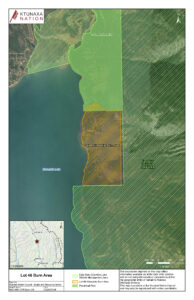
The map shows the burn area which includes Lot 48 and a small portion of the south end of the Columbia Lake Provincial Park.(August 25, 2026, courtesy KNC Lands and Resources Sector)
Here is an update on the Lot 48 burn.
Kiʔsuʔk kyukyit q̓apiniskiⱡ,
The Lot 48 burn is being planned for either fall 2026 or spring 2027, depending on the right conditions lining up.
As soon as the timing for the burn is known, the Lands and Resources Sector will let you know.
We have a dedicated team that has been working for the last 18 months to ensure this burn is done in a good way.
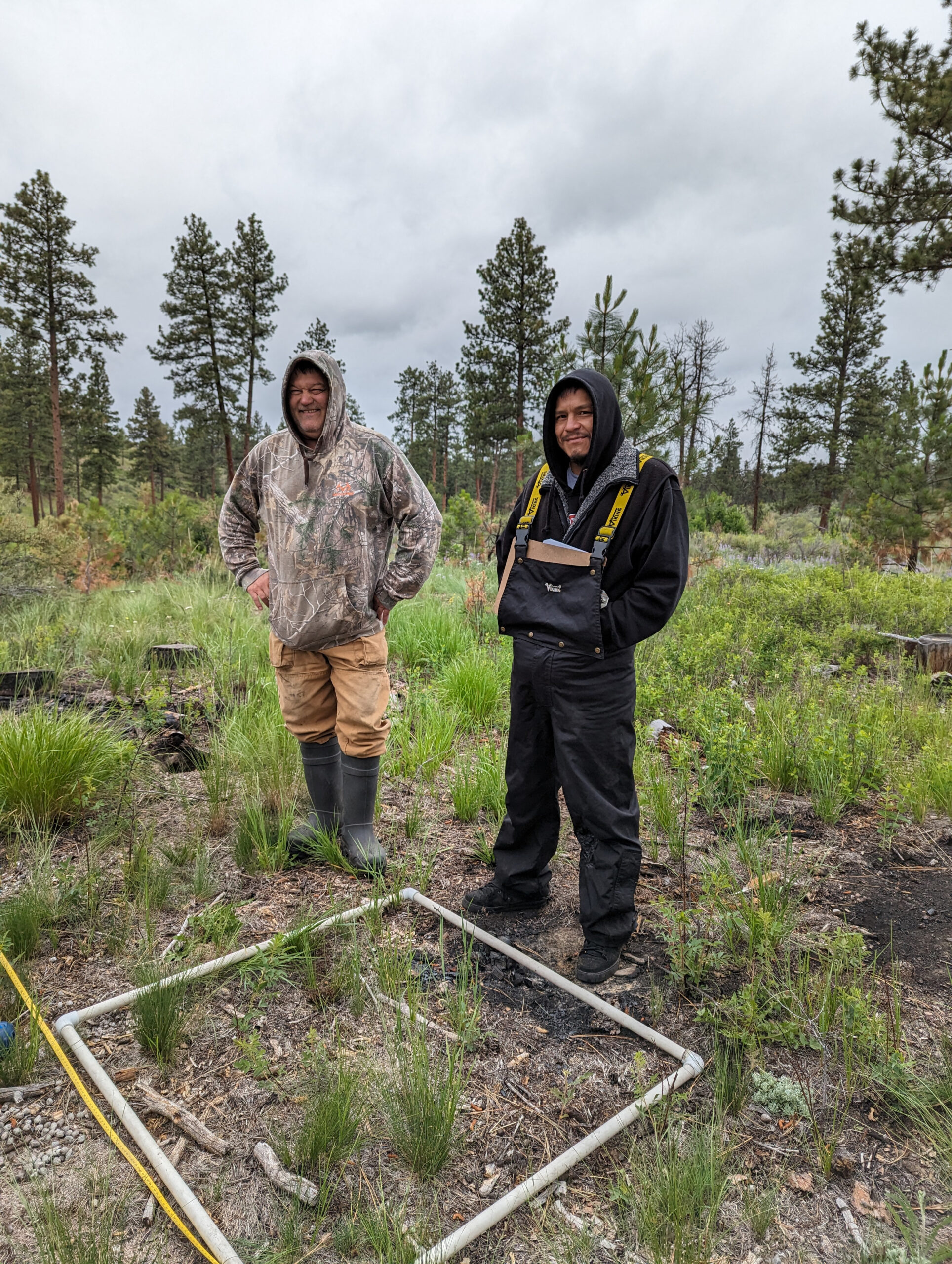
Preparation work has included archeology surveys (preformed by several Ktunaxa ʔaqⱡsmaknik̓ as well as a contracted archeologist), setting up Ktunaxa culturally important plant plots (so we can better understand fire effects on plant species), setting up fire-effects monitoring plots (done by KNC ʔa·knusti), thinning of dense forested areas (to reduce fuel loading and keep the fire intensity low), creating fire guards around the perimeter (to prevent spread of fire beyond planned area), and protecting archeology sites and other features like bat roosting structures and the old cellar.
About planned fire
(Cultural and culturally informed prescribed burning)
All the wildfires burning in ɁamakɁis Ktunaxa this season highlight the importance of bringing back both Ktunaxa cultural burning and Ktunaxa culturally informed prescribed burning to the land.
Planned fire, (whether it is cultural burning or culturally informed prescribed burning), means that the fire intensity is managed to be is less intense.
For example, fuel-heavy focal points are treated according to prescriptions to manage the rate of fire spread and the depth of burn, and to create less tree scorch so the prescribed area doesn’t burn too hot or for too long (as it would in a wildfire under untreated conditions).
This reduces negative impacts to people, wildlife, archeology sites, and ʔakxamis q̓api qapsin, and it increases positive impacts over time.
Managed burns do not reduce plants and soils to ash and rock.
Instead, the post-fire landscape can regenerate faster than after a wildfire and allow for “serotinous” seed activation (Ponderosa pine, for example) and other fire-adapted species to come back stronger.
Preparation work like thinning and protecting archeology sites can happen ahead of the fire. Fire guards and other protective infrastructure can be established so the fire stays within the planned area.
Planned fire protects nearby communities by reducing the fuel load around them, creating a fire-hardened buffer zone which reduces the threat of catastrophic wildfire.
The Lot 48 burn team includes staff from:
• ʔakisq̓nuk First Nation
• Ktunaxa Nation Council
• CR Professional – Burn Boss Fire Ecologist
• B.C. Wildfire Service
• Nature Conservancy of Canada
We will keep you updated on this initiative and send thanks to all of our partners.
If you have any questions, please reach out to the KNC Engagement Team at landscommunityengagement@ktunaxa.org